Governance Decision Intelligence:
Under mandate, TacminMadini applied Governance Decision Intelligence to examine exposure prospectively - not past performance, but alignment between design configuration and targeted ore extraction timing.
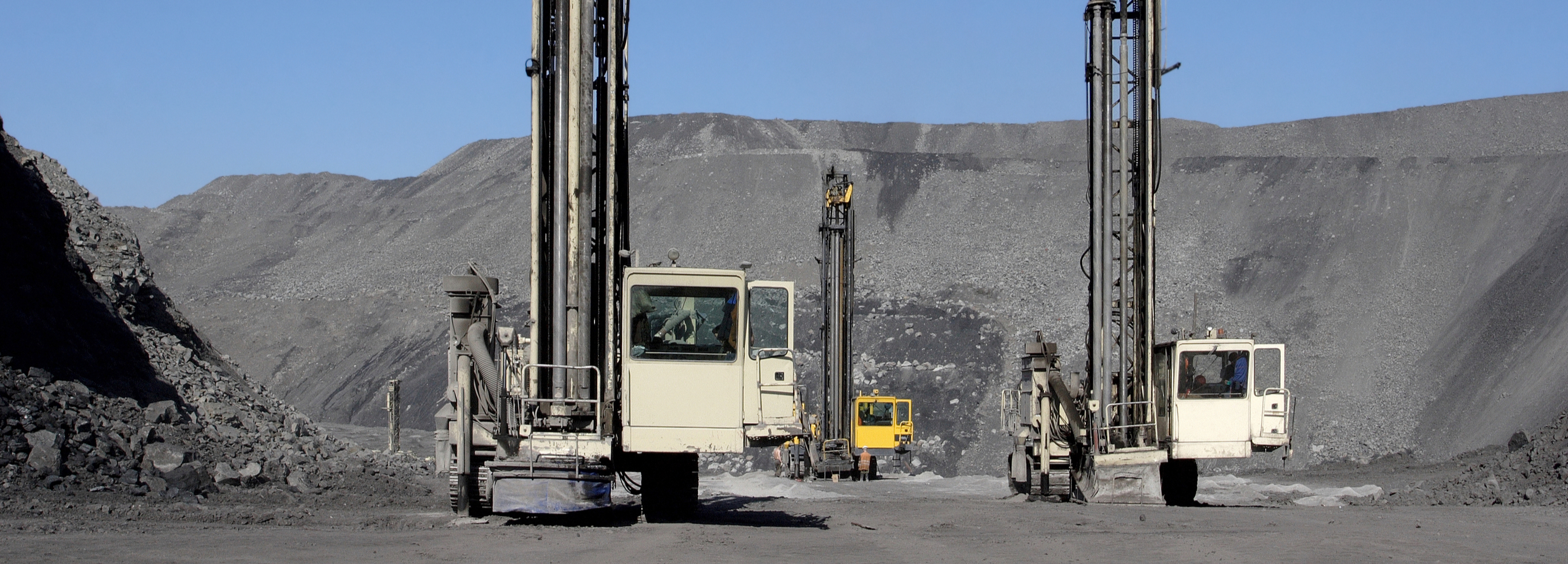
The initial first cut-back was correctly positioned toward the sub-outcrop orebody. Directionally and structurally, the design was sound. However, the footprint of the first cut-back was materially wide. While technically defensible, the geometry increased early strip volume and required greater lateral progression before sufficient vertical advancement was achieved.
The resulting drop-down rate, while stable, did not provide sufficient vertical progression to meet the targeted ore access timeline embedded in the commercial structure.
The cut was correctly aimed.
The footprint diluted vertical acceleration.
This was not a question of engineering capability. It reflected a governance misalignment between geometric configuration and time-linked commercial exposure. Governance Decision Intelligence identified this divergence while strategic optionality remained available.
Assurance Mandate: Disciplined Validation
Following identification of emerging schedule sensitivity, TacminMadini executed a defined Assurance Mandate under owner authority to rigorously test alignment between:
- Approved capital sequencing
- First-ore timing commitments
- Cut-back geometry and width
- Drop-down modelling assumptions
- Contractual penalty thresholds
The assurance confirmed that the excessive width of the first cut-back materially constrained vertical drop-down velocity relative to the required extraction timeline. A technically acceptable configuration had evolved into a schedule-critical governance consideration.
Importantly, the mandate did not displace management, redesign the mine or assume operational control. Its purpose was to validate the sensitivity and clarify the governance implications of geometric configuration.
Oversight remained independent. Delivery authority remained with management, design engineers and contractors.
Resilience Pathways: Governed Activation
When assurance confirmed that oversight alone would not fully address the emerging sensitivity, activation was authorised under Resilience Pathways within defined owner mandate.
Activation enabled disciplined evaluation of a revised first cut-back configuration. The footprint was reduced, lateral progression controlled and vertical advance prioritised. The narrower geometry materially accelerated drop-down rate while preserving orebody positioning and broader mine plan integrity.
The objective was not production optimisation. It was restoration of structural alignment between geometric configuration and contractual timing exposure.
Implementation remained entirely with the project’s operational team. TacminMadini did not assume delivery responsibility, interfere with management structures or replace technical decision-makers. Governance operated above execution, ensuring separation between oversight and operational control.
- Authority remained centralised.
- Execution remained local.
- Governance remained independent.
Outcome: Alignment Restored Before Consequence
The revised configuration accelerated vertical progression and enabled ore access within contractual tolerance, preserving commercial performance.
The broader development strategy remained intact. No structural redesign was required. No reactive crisis management occurred.
Alignment was restored before contractual consequence could crystallise.
Governance Architecture in Practice
This case demonstrates the integrated application of TacminMadini’s governance architecture.
- Governance Decision Intelligence provided structured insight into emerging exposure before delay occurred.
- The Assurance Mandate reinforced capital discipline and validated alignment under defined authority.
- Resilience Pathways enabled governed activation without collapsing independence or displacing management.
Technically defensible decisions can still create material sensitivity when geometric efficiency, sequencing and commercial consequence are misaligned. Governance architecture exists to identify and correct that divergence before accountability is compromised.
- Structured insight made the exposure visible.
- Disciplined assurance validated the risk.
- Governed activation restored alignment.
Where accountability cannot be delegated and timing carries contractual consequence, governance must operate at the level of configuration, sequencing and commitment - not after variance becomes irreversible.
Governance architecture exists not to respond to breakdown, but to preserve alignment before consequence hardens.