Traditional Delivery Models Alone May Not Be Enough
South Australia does not appear to lack capable contractors.
However, the next phase of growth may require more enterprises capable of participating beyond traditional construction delivery alone.
The state’s future housing and infrastructure requirements may not simply depend on who can build projects. Over time, the ability to coordinate capital, delivery capability and strategic partnerships may play a greater role in shaping overall market capacity.
They may instead depend on which enterprises can operate effectively across broader development, capital and integrated delivery environments over time.
This is where structural change may begin emerging across parts of the contractor ecosystem itself.
Mid-Tier Builders May Become Central to SA’s Next Development Phase
Many mid-tier contractors are already moving in this direction.
Across South Australia, more builders are naturally pursuing mixed-use developments, accommodation projects, vertically integrated delivery models and broader capital participation as they seek longer-term growth beyond traditional construction delivery.
Commercially, the logic is understandable.
As project ecosystems become larger and more integrated, broader delivery capability, strategic partnerships and capital alignment may progressively shape how overall market capacity evolves across the state.
For many builders, the next stage of growth increasingly appears to sit upstream.
Building Projects and Developing Projects Are Not the Same Environment
This is where the transition becomes significantly larger than many operators initially expect.
Construction businesses have traditionally been structured around delivery capability, programme execution, subcontractor coordination and operational performance.
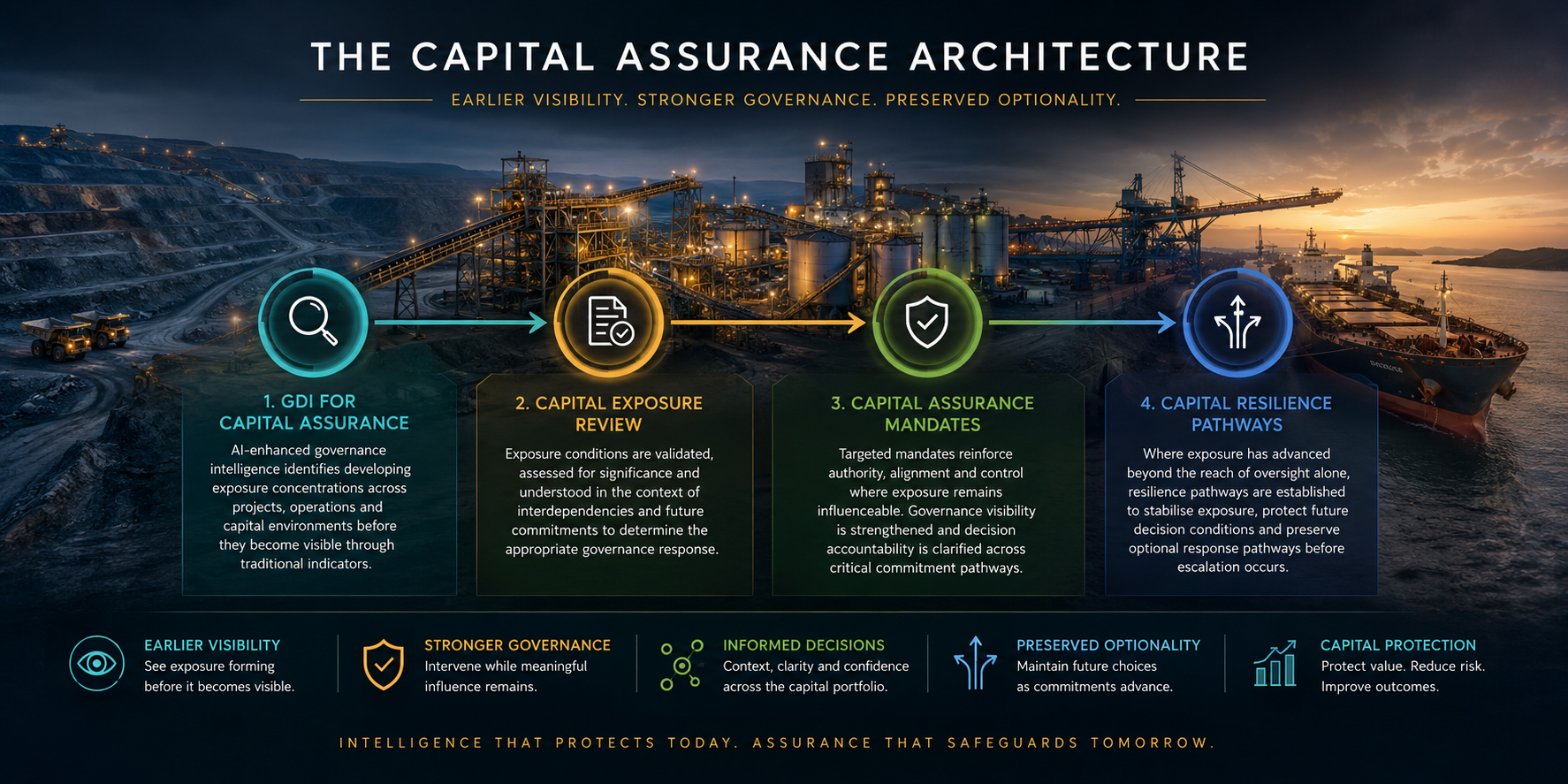
Development and capital environments introduce a very different layer of exposure. Businesses suddenly find themselves navigating infrastructure dependencies, funding pathways, stakeholder scrutiny and longer-duration commercial environments where strategic alignment and enterprise visibility heavily influence confidence and decision-making.
For many growing contractors, this creates a very different type of pressure.
Operational capability may remain strong while the broader enterprise begins struggling to maintain alignment across delivery, stakeholder, capital and growth environments simultaneously.
Importantly, these pressures rarely emerge suddenly.
In many cases, businesses remain operationally capable while broader enterprise coherence quietly begins weakening underneath accelerated growth conditions.
Infrastructure Pressure Is Already Reshaping the Market
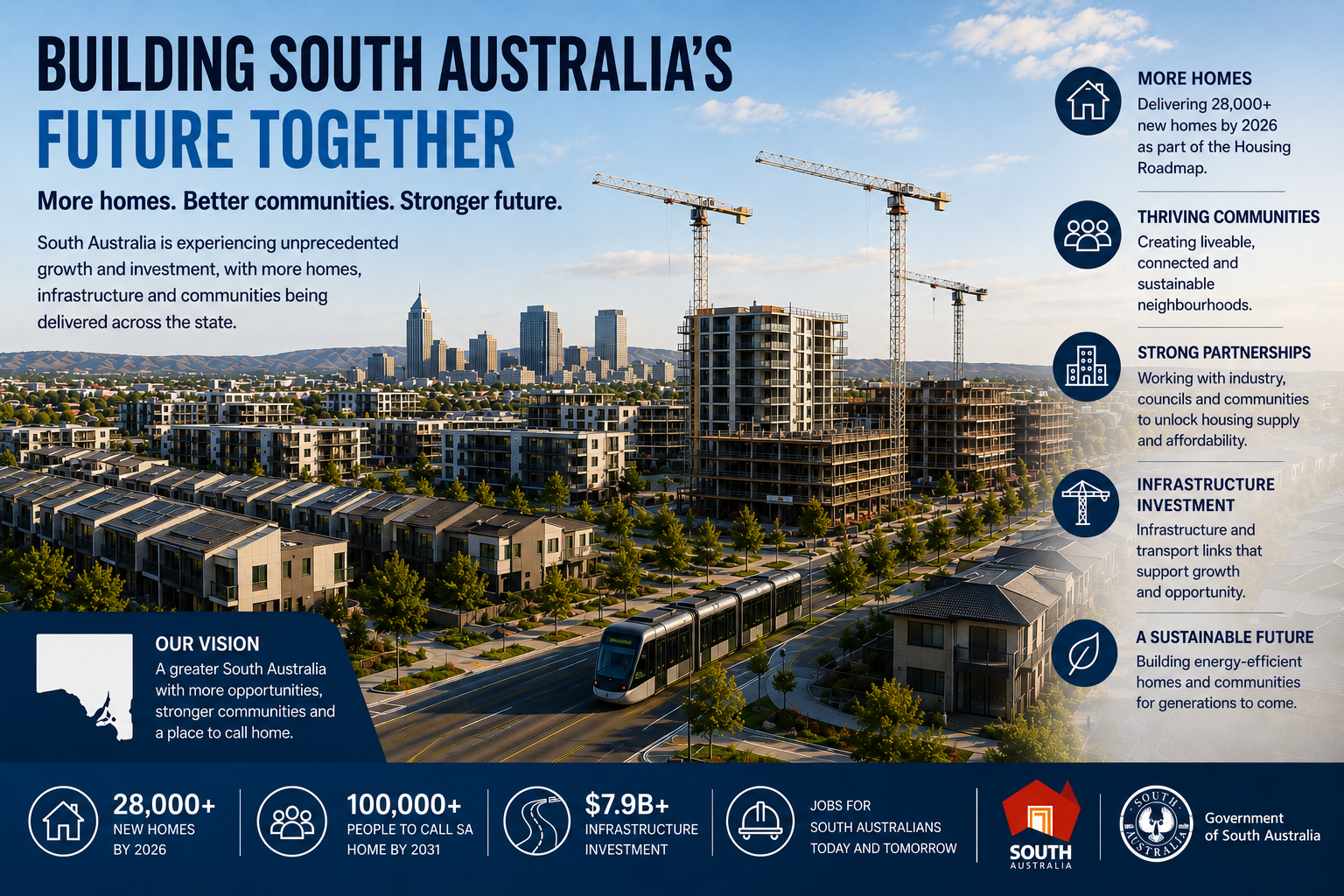
One of the clearest signals emerging across South Australia is that housing delivery is no longer influenced by land release alone.
Infrastructure sequencing itself is now affecting the timing and viability of development activity.
At the same time, growing project pipelines are attracting increasing numbers of contractors, suppliers and delivery participants into the state, while industry bodies continue warning about significant workforce pressure across construction and infrastructure sectors.
As multiple sectors expand simultaneously, the market may increasingly face questions not only around delivery capacity, but also around how quickly enterprise capability can scale.
The result is a far more interconnected and commercially exposed operating environment than many South Australian contractors have historically operated within.
The pressure is no longer purely operational.
Larger and more commercially exposed projects now place greater emphasis on enterprise capability, strategic coherence and the ability to maintain confidence across complex capital environments.
SA’s Next Challenge May Be Enterprise Evolution
South Australia’s next phase of growth may therefore become larger than housing delivery or infrastructure expansion alone.
As projects become increasingly interconnected, the state may gradually transition toward a more mature development and capital environment where delivery capability, strategic coordination and long-duration enterprise alignment become progressively more important.
Over time, this may not only reshape the role of local contractors and developers, but also influence how broader participation, capability and investment ecosystems evolve around South Australia’s increasingly interconnected growth pipeline.