Insights

In civil infrastructure, the path is linear: a facility—be it a haul road, railway line, TSF, or workshop—is designed, tendered, and awarded for execution. The contractor’s tender defines exactly what must be built, when, how, and at what cost. The delivery model is fixed. Control systems, rightly, revolve around upholding that commitment. Mining, by contrast, is often treated as an operational environment—dynamic, reactive, and prone to drift from its original intent. But here lies the problem: when project controls are not anchored in a delivery benchmark—like the tender—we lose sight of where we started, what was promised, and how we’re tracking. And yet, the similarities between civil and mining projects are more pronounced than we often admit.
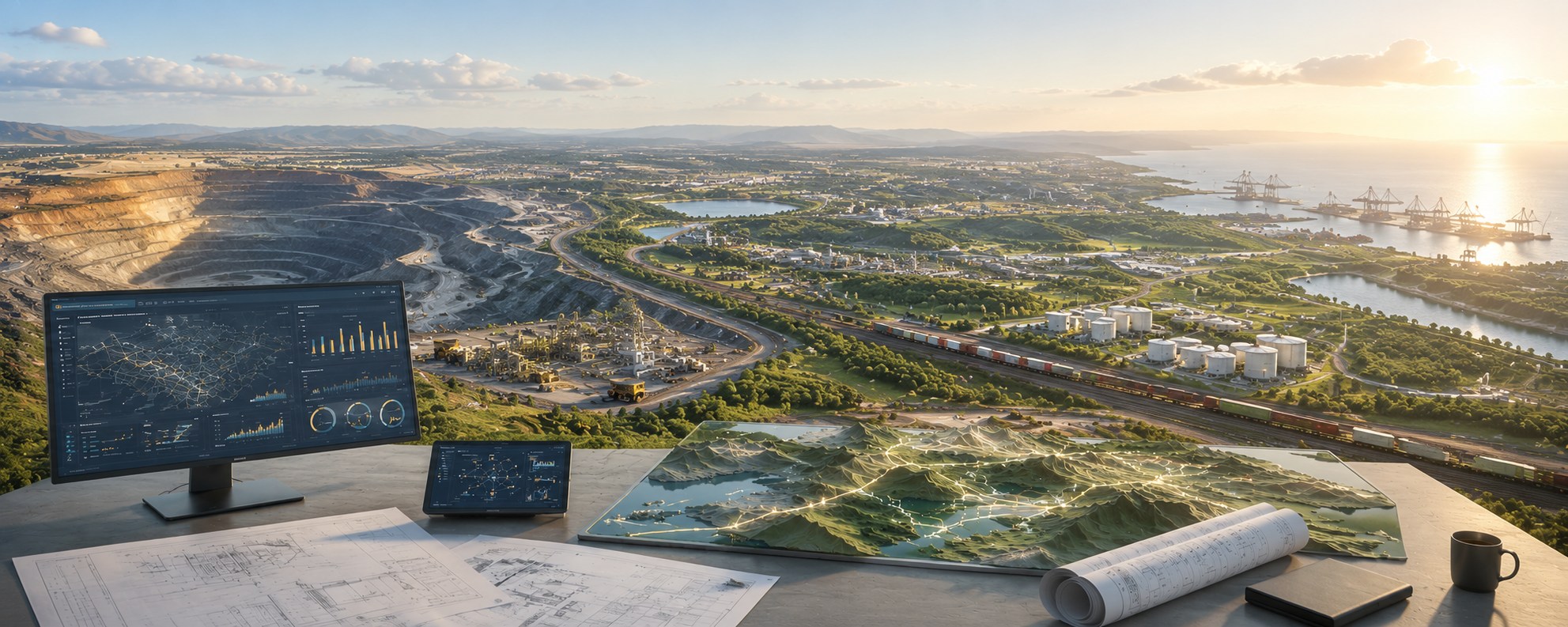
In today's mining landscape, the challenge isn't finding ore—it’s delivering on its promise. Technical studies are stronger, ESG standards are embedded, and capital markets are scanning for investable projects. Yet many juniors still stall between pre-feasibility and first ore. The issue isn’t geological. It’s structural. Even with robust studies and credible intent, momentum often fades in the transition from planning to execution. This is where delivery risk becomes real—and where investor confidence is either reinforced or lost.

In today’s mining sector, exploration success is no longer the primary barrier to development. Technical studies have become more advanced, ESG considerations are well integrated, and financing mechanisms are evolving. Yet, despite all of this, many junior mining projects still fail to progress from feasibility to first ore. The root cause isn’t geological uncertainty or planning failure—it’s execution. Specifically, it’s the absence of a project delivery framework that matches the scale, speed, and capital profile of junior and exploration-led projects. While Tier 1 projects benefit from structured governance and EPCM oversight, juniors are often left to navigate construction with few tools, limited continuity, and mounting delivery risk.

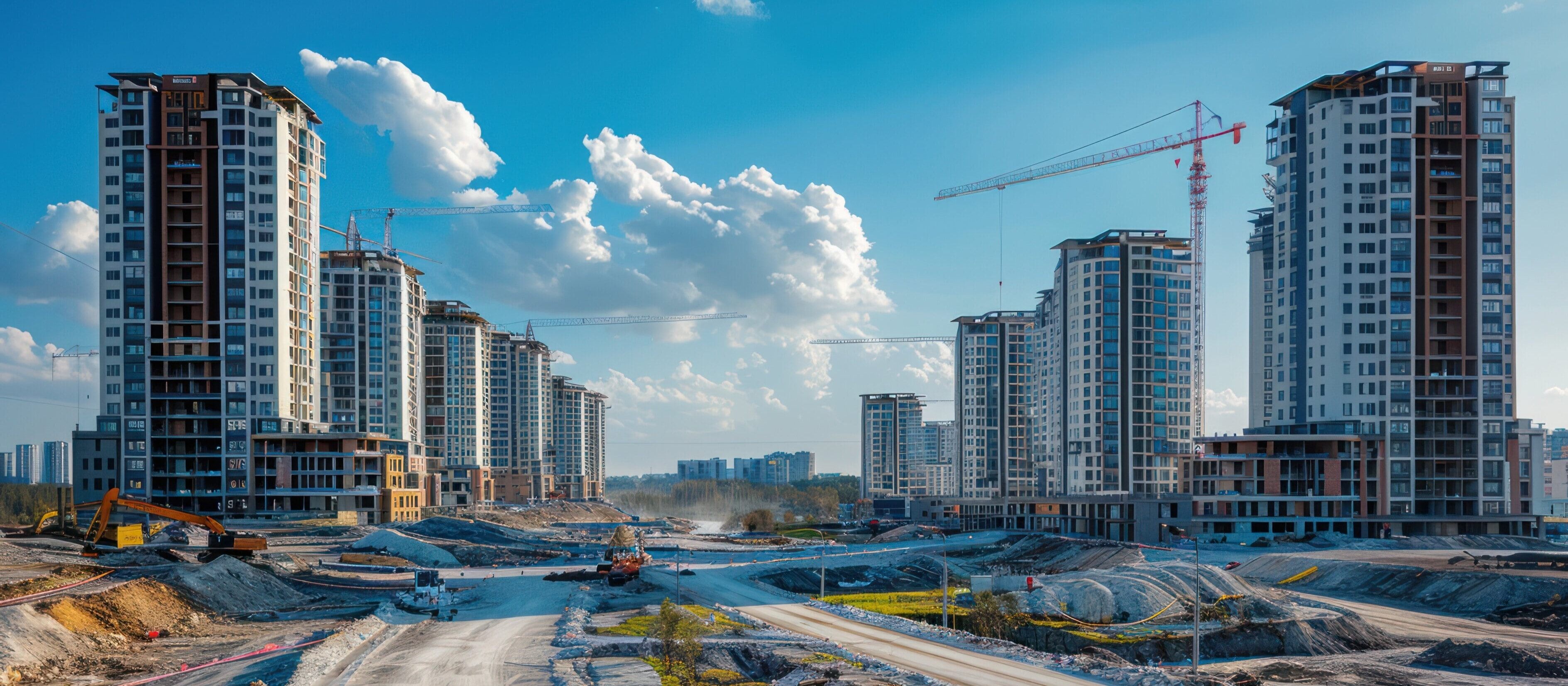
TacminMadini’s history isn’t just in delivery—it’s in performance under pressure. We’ve delivered in regions where cost blowouts weren’t an option, where stakeholder engagement was critical, and where project stability made the difference between success and shutdown. That same mindset now supports master-planned communities, industrial hubs, and infrastructure-led property developments across Australia. With decades of engineering, governance, and cost control experience, we help developers move faster—with fewer surprises and more measurable outcomes.

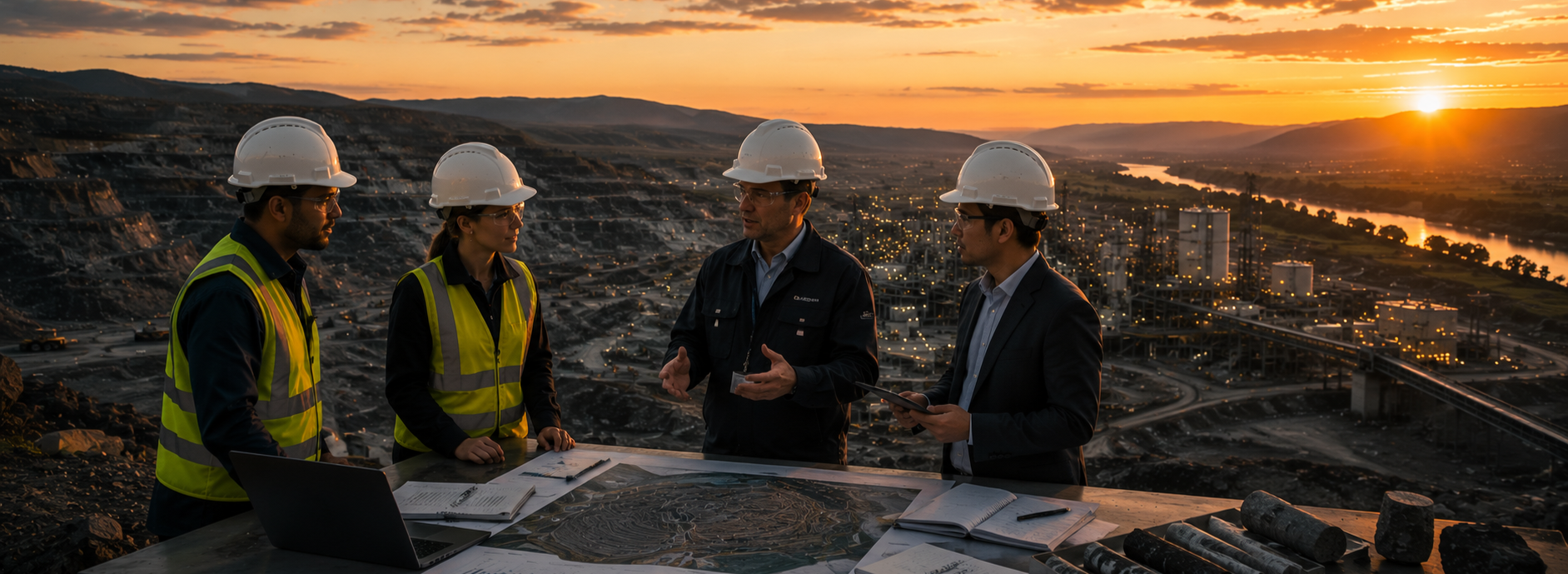
In mining, infrastructure, and property development, where execution pressure is high and stakeholder expectations are non-negotiable, we’ve learnt that success depends on more than individual capability. It requires cohesion across every aspect of the project. That’s why we don’t approach projects as external consultants. We embed ourselves as an Integrated Project Partner, actively shaping outcomes from planning through to handover. Our role doesn’t sit at arm’s length—we become part of the delivery engine. We align commercial intent, operational performance, and execution oversight into a single coordinated structure that delivers under pressure.

Projects are awarded in increasingly competitive conditions, with compressed margins and tighter timeframes. Yet what happens after the contract is awarded determines everything. Mobilising the workforce, securing the equipment, ordering the materials—none of it is optional, and all of it needs to happen with precision. But even with sound planning and experienced teams, site conditions, supply disruptions, and shifting costs can quickly pressure performance. The question isn’t about capability—it’s about control. And in this environment, control starts with intelligence.