Case studies

In mining and infrastructure, the breakdown rarely starts with the mine plan. It begins with execution, where cost, schedule, and contractor performance drift apart, often quietly, until delivery is off track and recovery becomes expensive. Despite the best intentions, too many projects are still managed through disconnected systems. Progress is tracked manually. Contractor claims are reviewed after the fact. Variations are recorded once they’ve already caused disruption. With no centralised control model, accountability weakens, visibility narrows, and decisions are made reactively — instead of proactively.
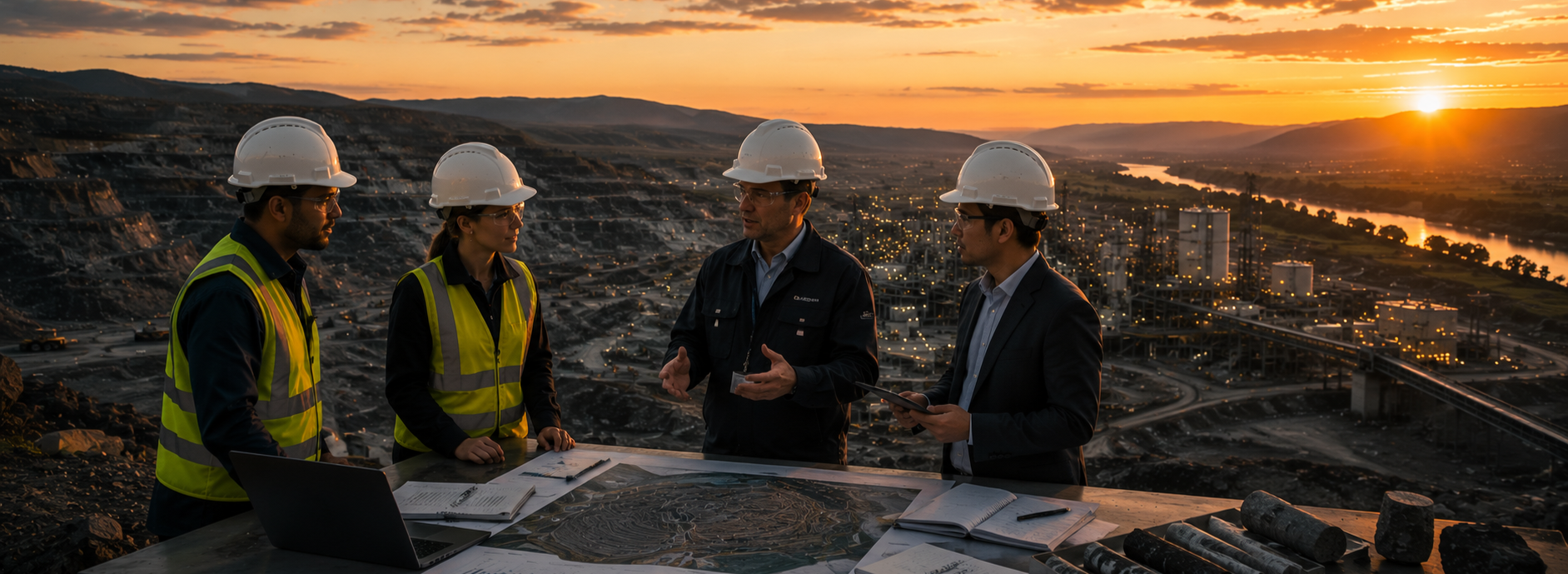
In today’s mining economy, the pressure is relentless. Margins are thinner, capital is scarce, and the tolerance for drift — in cost, schedule, or delivery — has all but disappeared. For contractors, EPCMs, and mine owners alike, the common thread isn’t ambition, it’s accountability. Every dollar must trace back to logic. Every plan must hold up under pressure. And every project must perform — not just in the boardroom, but in the pit.

In many open-pit operations, the transition to underground mining is dictated less by geology and more by cost escalation—particularly under contract mining models. This case study explores how a mid-tier gold operation used BlueForge’s structured owner mining approach to defer underground capital, extract deeper open-pit value, and extend mine life—all without altering the original development timeline.

For years, we supported owner-mining operations with planning systems, condition monitoring, and field execution support. But it wasn’t a formal product. It was just what needed doing—systems that made sense, processes that filled gaps, advice shaped by experience. We knew from early on that good planning wasn’t enough without integration. And integration wasn’t enough without ownership on site. But there was no single framework. Every job was a one-off. Useful, yes—but not repeatable. That reality became impossible to ignore when we were brought into a remote African mine that had stepped away from a MARC agreement.

The leadership team wasn’t resistant to change. In fact, they’d recently reviewed replacement options and had three rebuild quotes in front of them. But what was missing was sequence, structure, and clarity on cost alignment. Rather than adding another report, the decision was made to revisit the core question: What should this fleet be achieving — and what’s preventing it? This time, it wasn’t just a maintenance or CAPEX question. It became a planning, production, and commercial discussion, anchored by structured insights and a view that brought all three together.

Rather than wait for the usual post-award surprises, leadership made a strategic call: roll out preventative controls early and maintain them throughout delivery. The goal was clear — protect the margin, tighten execution, and keep the project on course from day one. Legacy rates, rough productivity estimates, and conventional planning had helped win the job, but could they deliver it? The contractor wasn’t prepared to find out the hard way. Instead, Tacmin.ai was engaged not as a recovery mechanism, but as a structured, intelligence-driven oversight system to ensure cost integrity and execution confidence from day one.